Beyond the Shaft: How Vertical Mobility Is Rising to the Sustainability Challenge
When we talk about sustainable mobility, it’s usually electric cars or bike lanes that steal the spotlight. But what about the systems that carry us up? As cities grow taller and denser, vertical mobility—elevators and escalators—is becoming a quiet but crucial pillar of sustainable design. And forward-looking companies like Gilco are stepping up, aligning with global sustainability leaders to deliver smarter, greener transport solutions inside buildings.
Let’s unpack how vertical mobility is redefining the way we think about sustainable infrastructure.
Elevators Are Now Energy Systems
Modern lifts are no longer the energy-hungry machines they used to be. They’re intelligent, connected, and efficient—part of a building’s overall energy ecosystem.
Here’s what’s changed:
- Regenerative drives that generate electricity during descent, feeding it back into the building’s grid
- Real-time energy optimization based on usage patterns
- Smarter traffic handling, reducing idle trips and peak load pressure
In short, elevators are now contributors—not consumers—of energy performance in buildings.
Modernize, Don’t Scrap
Here’s a sustainable insight that often gets overlooked: upgrading is often greener than replacing.
Full replacement creates environmental overhead—raw materials, transport emissions, and waste. Instead, modular modernization lets building owners:
- Upgrade motors with energy-efficient alternatives
- Add smart controllers and IoT interfaces
- Improve performance without structural changes
Gilco’s approach supports this model—offering tailored modernization solutions that meet sustainability benchmarks while respecting project budgets and timelines.
Building Smarter: The Tech Behind Sustainability
Elevator systems are getting an AI boost—and it’s all in the name of sustainability. Gilco’s adoption of smart vertical mobility infrastructure includes:
- Predictive maintenance to prevent breakdowns and reduce technician callouts and emissions
- Sleep and standby modes during low-usage hours
- Adaptive dispatching systems that respond to real-time demand
These intelligent features don’t just improve user experience—they significantly reduce the system’s operational carbon footprint.
Responsible Materials Matter
The push for sustainability goes beyond mechanics—material choices are now under the spotlight.
Gilco and its partners focus on solutions that prioritize:
- Recycled metals and eco-certified materials
- Low-VOC finishes to improve indoor air quality
- Low-carbon manufacturing standards across the supply chain
It’s not just about how elevators work—it’s about how they’re made, transported, installed, and ultimately recycled.
Handover: Setting Up for Success
Once functional and safety tests are complete, the elevator is ready for handover. Think of this as passing the baton, where the building owner or facility manager receives the keys to the kingdom—and a detailed roadmap to maintain it.
Elevating Sustainability Goals
Gilco’s vertical mobility solutions are purpose-built to support sustainable construction certifications—from IGBC and LEED to GRIHA.
By aligning with international best practices, Gilco ensures its systems meet rigorous sustainability criteria such as:
- Affordable and clean energy use
- Smarter infrastructure development
- Reduced lifecycle environmental impact
- Support for denser, more livable cities
These priorities directly support global Sustainable Development Goals (SDGs), including SDG 7 (Clean Energy), SDG 9 (Industry & Innovation), and SDG 11 (Sustainable Cities).
Vertical Mobility = Smart Urban Planning
In today’s cities, mobility isn’t just horizontal.
From metro stations to mixed-use towers, vertical transport is core to how cities function. Efficient elevator systems ensure:
- Seamless passenger flow
- Energy savings at scale
- Improved accessibility in urban centers
Gilco’s solutions are designed for this kind of density—smart, scalable, and sustainability-first.
These priorities directly support global Sustainable Development Goals (SDGs), including SDG 7 (Clean Energy), SDG 9 (Industry & Innovation), and SDG 11 (Sustainable Cities).
Vertical Mobility = Smart Urban Planning
In today’s cities, mobility isn’t just horizontal.
From metro stations to mixed-use towers, vertical transport is core to how cities function. Efficient elevator systems ensure:
- Seamless passenger flow
- Energy savings at scale
- Improved accessibility in urban centers
Gilco’s solutions are designed for this kind of density—smart, scalable, and sustainability-first.
These priorities directly support global Sustainable Development Goals (SDGs), including SDG 7 (Clean Energy), SDG 9 (Industry & Innovation), and SDG 11 (Sustainable Cities).
Vertical Mobility = Smart Urban Planning
In today’s cities, mobility isn’t just horizontal.
From metro stations to mixed-use towers, vertical transport is core to how cities function. Efficient elevator systems ensure:
- Seamless passenger flow
- Energy savings at scale
- Improved accessibility in urban centers
Gilco’s solutions are designed for this kind of density—smart, scalable, and sustainability-first.
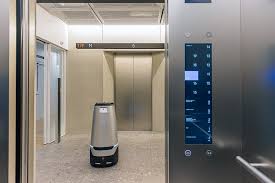
The Future Is Looking Up
As cities continue to grow upward, vertical mobility must grow smarter.
Gilco is leading the charge by embedding sustainability at every level—from component design and packaging to system intelligence and modernization strategies. Their work with global partners reflects a clear mission: build vertical transport that supports a healthier planet.
Let’s Build Up—Responsibly
Elevators and escalators might not make headlines, but they’re quietly shaping the cities of tomorrow.
Whether you’re planning a high-rise, upgrading an existing building, or aiming for green certification, sustainable elevators are a vital piece of the puzzle. With Gilco at the helm—and a deep alignment with international green practices—the future of vertical mobility looks brighter, and greener, than ever.
Leave a Reply