Why Elevator Interiors Are the New Talk of the Design World
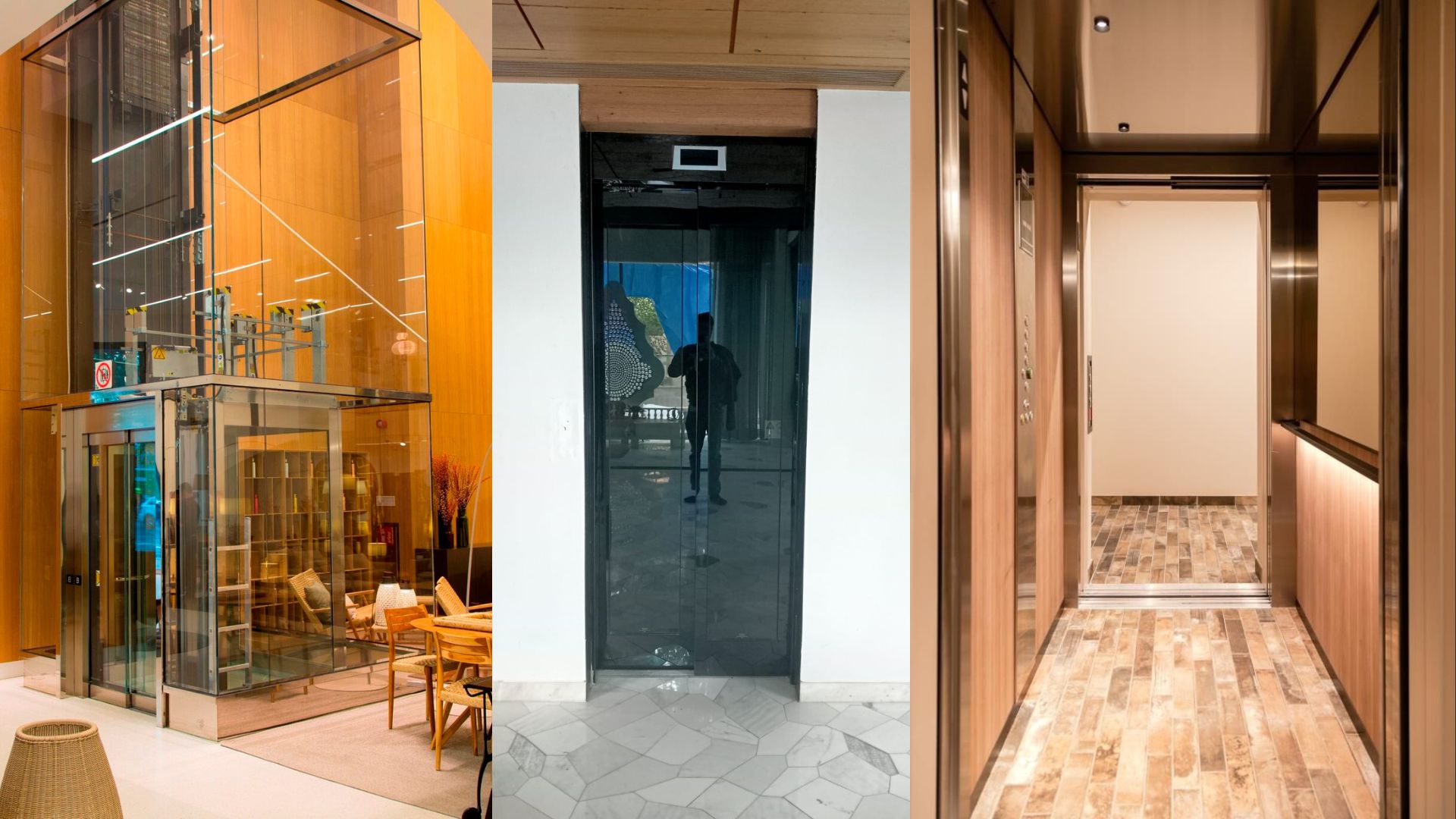
Walk into a building today—a high-end hotel, a luxury apartment, a premium office tower—and you’ll see something different. Elevators are starting to make a statement. They’re being designed, curated, and photographed. They’ve become part of the aesthetic—and the experience.
So, why the sudden attention?
Because design has shifted. Today, it’s about the entire journey, not just the destination.
The elevator is no longer just a mode of transport. It’s often the first interior you experience, and in many cases, the only one every single person will pass through. It’s where the tone of the space is set. It’s where brand personality has a chance to show up—quietly, powerfully.
Add to that the social media effect—yes, the “elevator selfie” is real—and you’ve got a space that was once unintentional now becoming design gold.
From Functional Box to Branded Moment
Designers and developers are beginning to realize that elevators are tiny opportunities—moments to surprise, delight, or reinforce a message.
Soft lighting can create calm. Sleek panels and curated textures can convey elegance. Digital displays can inform or inspire. Mirrors can expand a small space. Materials can connect the elevator to the building’s broader language.
It’s not just about what looks good—it’s about what feels right, and what fits the narrative.
And Yes — Tools Are Catching Up
As demand grows for more curated vertical experiences, the industry is evolving. Design teams now have tools that let them customize everything from floors to ceilings—choosing textures, lighting, materials, and even control layouts that align with the space’s design language.
These tools aren’t just digital decorators. They’re design enablers—streamlining the process of turning a cold, metallic elevator into a cohesive, stylish part of the building.
One such example is Gilco Ambience — a digital configuration tool that empowers teams to craft elevator interiors with clarity and control. But it’s just one piece of a much larger movement toward elevating (literally) the user experience.
Why This Shift Matters to the Design World
For architects and designers, the elevator is no longer dead space. It’s a chance to extend the building’s identity, tell a story, or enhance user comfort—all in under 30 seconds.
In an era where micro-experiences matter, even a few square feet of elevator interior can make a lasting impression. That’s why elevator design is now being discussed alongside lobbies, corridors, and facades.
For developers and property managers, it’s an added layer of perceived value. A beautifully executed elevator interior tells tenants and guests, “We thought of everything.” In competitive real estate markets, those signals matter.
A Quiet Revolution, Now Made Easier
What used to be a niche idea is now becoming best practice—and thankfully, the tools have caught up.
Design platforms that allow full elevator interior customization are streamlining what used to be a clunky, contractor-heavy process. Flooring, walls, ceilings, handrails, control panels—all can now be visualized, aligned, and approved before a single panel is installed.
Among those enabling this shift is Gilco Global, whose Ambience tool reflects a new mindset—one that blends functionality with design freedom. It’s a nod to where the industry is headed: toward smart customization, seamless integration, and user-centered design.
In short, the elevator is no longer the part of the building people rush through. It’s becoming the moment they notice—a reflection of brand, mood, and intent.
And in design, those moments—even the quiet ones—are everything.
Frequently Asked Questions
1. Why are elevator interiors gaining attention in modern architecture?
Because they are high-traffic spaces that offer a branding and design opportunity, setting the tone for the building experience.
2. What design elements can be customized in modern elevator interiors?
Flooring, wall panels, ceilings, lighting, handrails, mirrors, and even control panels can now be fully tailored.
3. Are elevator interiors really part of a brand strategy?
Absolutely. They serve as micro-experiences that communicate tone, professionalism, luxury, or creativity—instantly.
4. What role do digital tools play in designing elevator interiors?
Tools like Gilco Global’s Ambience platform simplify the customization process, ensuring visual alignment and engineering feasibility.
5. Is this trend just for luxury projects?
No. Commercial and residential spaces alike are now investing in meaningful elevator interiors to boost value and user experience.
Leave a Reply